
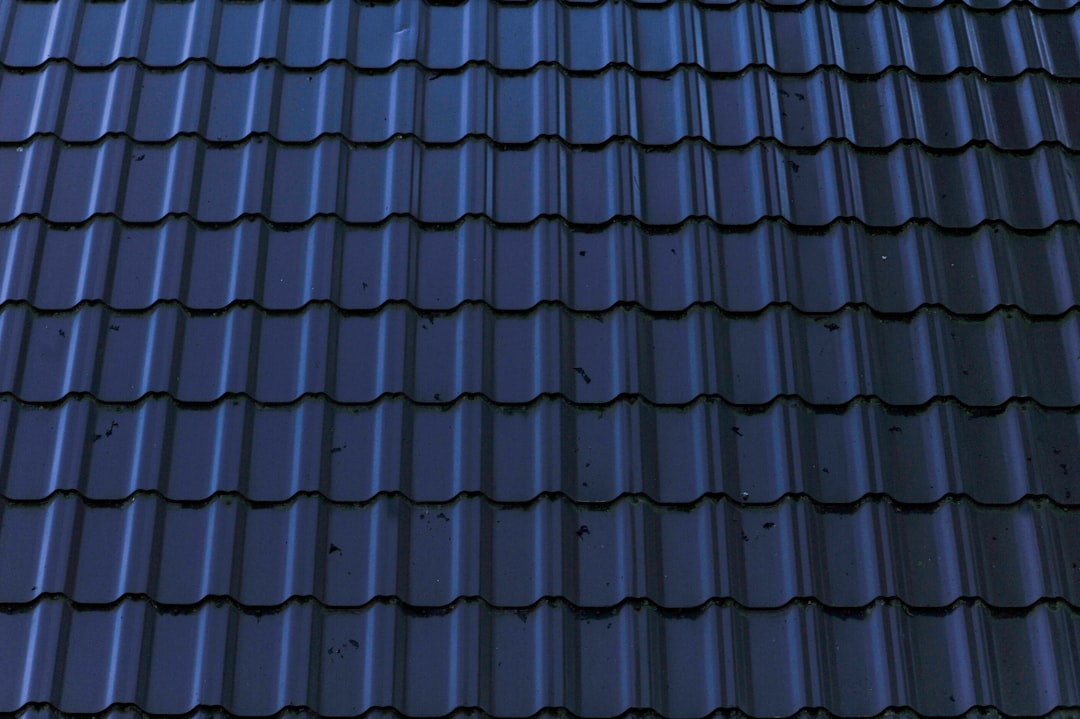
When it comes to the aesthetics and functionality of any structure, the quality of its surfaces plays a crucial role. Uneven or wavy surfaces can be a significant concern, particularly in roofing and siding applications. These imperfections not only detract from the visual appeal of a building but can also lead to more serious structural issues over time. An uneven surface can create areas where water can pool, leading to potential leaks and damage. Additionally, a wavy appearance can indicate underlying problems with the installation process, such as improper alignment or inadequate support.
The causes of uneven or wavy surfaces can vary widely. In some cases, it may stem from poor craftsmanship during installation, where panels or shingles are not aligned correctly. In other instances, it could be due to the natural settling of a building over time, which can shift materials out of place. Regardless of the cause, addressing these issues promptly is essential to maintain the integrity and longevity of the structure. Regular inspections and maintenance can help identify these problems early, allowing for timely repairs that can prevent more extensive damage down the line.
If you’re concerned about the quality of aluminum installation in your home, it’s essential to recognize the signs of poor workmanship. For a deeper understanding of this topic, you can refer to a related article that discusses various aspects of aluminum services and installation standards. This resource can provide valuable insights into what to look for and how to ensure your aluminum installations are done correctly. For more information, visit this article on aluminum services.
Key Takeaways
- Uneven or wavy surfaces can lead to water pooling and potential damage to the roofing system.
- Excessive gaps or overlaps in roofing materials can compromise the integrity of the roof and lead to leaks.
- Loose or missing fasteners can cause roofing materials to become dislodged and create entry points for water.
- Corrosion or rust on metal roofing can weaken the material and lead to leaks and structural damage.
- Water leakage can result from poorly sealed joints, leading to water damage and mold growth.
Excessive Gaps or Overlaps
Excessive gaps or overlaps in construction materials can lead to a host of problems that compromise both the appearance and functionality of a building. These issues often arise during the installation of siding, roofing, or other exterior elements. Gaps can allow moisture to penetrate the structure, leading to mold growth, wood rot, and other forms of deterioration. On the other hand, overlaps that are too pronounced can create an unsightly appearance and may not provide adequate protection against the elements.
To mitigate these issues, it is crucial to adhere to manufacturer guidelines during installation. Properly measuring and cutting materials can help ensure that gaps are minimized and overlaps are consistent. Additionally, using appropriate sealants and flashing can further protect against moisture intrusion. Regular inspections should also be conducted to identify any developing gaps or overlaps that may need attention, ensuring that the building remains both visually appealing and structurally sound.
Loose or Missing Fasteners
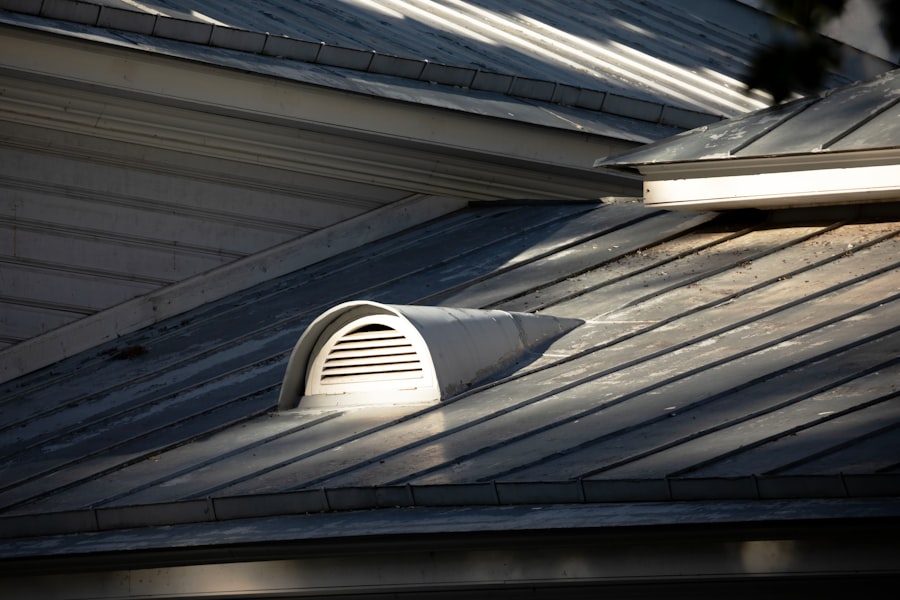
Fasteners play a vital role in securing various components of a building, from roofing shingles to siding panels. Loose or missing fasteners can lead to significant problems, including compromised structural integrity and increased susceptibility to weather-related damage. When fasteners are not properly secured, materials can shift or become dislodged, leading to leaks and other issues that may require costly repairs.
To prevent these problems, it is essential to conduct regular inspections of fasteners throughout the building’s lifespan. This includes checking for signs of rust or corrosion, which can weaken fasteners over time. Additionally, ensuring that fasteners are installed according to manufacturer specifications is crucial for maintaining their effectiveness.
If any loose or missing fasteners are identified, they should be replaced or tightened immediately to prevent further complications.
Corrosion or Rust
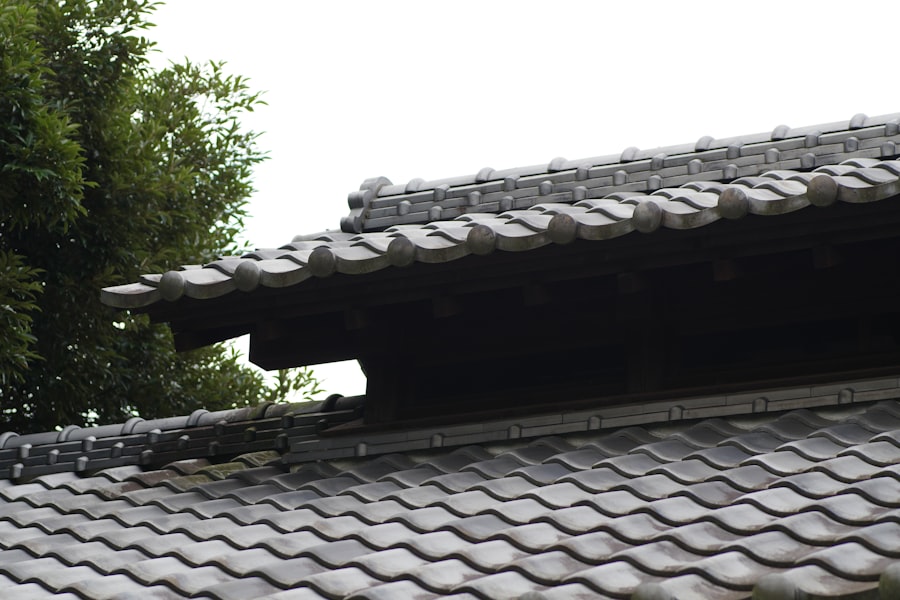
Corrosion and rust are common issues that can significantly impact the longevity and performance of building materials, particularly those made from metal. Over time, exposure to moisture and environmental elements can lead to the deterioration of metal components, resulting in weakened structures and unsightly appearances. Corrosion not only affects the aesthetic appeal of a building but can also compromise its safety by weakening critical support elements.
To combat corrosion and rust, it is essential to choose high-quality materials that are designed to withstand environmental stressors. Additionally, applying protective coatings can help shield metal components from moisture and other corrosive elements. Regular maintenance is also key; inspecting metal surfaces for early signs of rust allows for timely intervention before more extensive damage occurs. By addressing corrosion proactively, property owners can extend the lifespan of their buildings and maintain their structural integrity.
If you’re concerned about the signs of poor aluminum installation, it’s essential to understand the potential issues that can arise from improper techniques. For a deeper insight into this topic, you might find it helpful to read a related article that discusses the various factors contributing to successful aluminum installations. This resource can provide valuable information on how to identify and rectify common installation mistakes. You can check it out here: related article.
Water Leakage
| Signs of Poor Aluminum Installation |
|---|
| Uneven gaps between aluminum panels |
| Visible dents or scratches on the aluminum surface |
| Loose or missing fasteners |
| Improper sealing leading to water leaks |
| Uneven or wavy appearance of the aluminum panels |
Water leakage is one of the most significant concerns for any building owner, as it can lead to extensive damage if not addressed promptly. Leaks can occur due to various factors, including poor installation practices, damaged roofing materials, or inadequate sealing around windows and doors. The consequences of water leakage can be severe, ranging from mold growth and structural damage to increased energy costs due to compromised insulation.
To prevent water leakage, it is crucial to conduct regular inspections of roofing systems, siding, and other vulnerable areas. Identifying potential problem spots early on allows for timely repairs that can mitigate further damage. Additionally, ensuring that all seals are intact and that flashing is properly installed can help direct water away from critical areas. By taking a proactive approach to water management, property owners can protect their investments and maintain a safe living environment.
When considering the signs of poor aluminum installation, it’s essential to understand the broader context of how aluminum products are installed and maintained. A related article that delves into the specifics of window and door frame installations can provide valuable insights. For more information on this topic, you can read about it in detail here. Understanding these aspects can help homeowners identify potential issues early and ensure that their aluminum installations are both functional and aesthetically pleasing.
Poorly Sealed Joints
The joints between different building materials are critical points where water intrusion can occur if not properly sealed. Poorly sealed joints can lead to significant issues over time, including water damage, mold growth, and decreased energy efficiency. These vulnerabilities often arise from inadequate application of sealants or caulking during installation processes.
To ensure that joints are adequately sealed, it is essential to use high-quality sealants that are appropriate for the specific materials being joined. Additionally, following manufacturer guidelines for application techniques can help achieve a watertight seal. Regular inspections should also be conducted to check for signs of wear or deterioration in sealants, allowing for timely reapplication when necessary. By prioritizing well-sealed joints, property owners can enhance their buildings’ durability and protect against moisture-related issues.
Improper Flashing Installation
Flashing is a critical component in protecting buildings from water intrusion at vulnerable points such as roof edges, chimneys, and wall intersections. Improper flashing installation can lead to significant leaks and water damage over time. If flashing is not installed correctly or is missing altogether, water can easily penetrate these areas, causing extensive damage to both the interior and exterior of a structure.
To ensure proper flashing installation, it is essential to follow best practices and manufacturer guidelines closely. This includes using the right type of flashing material for specific applications and ensuring that it is installed at the correct angles to direct water away from critical areas. Regular inspections should also be conducted to identify any signs of wear or damage in existing flashing systems. By addressing flashing issues promptly, property owners can safeguard their buildings against water-related problems.
Inadequate Insulation
Inadequate insulation is a common issue that can lead to significant energy loss and increased utility costs for homeowners and businesses alike. Insulation plays a vital role in maintaining comfortable indoor temperatures by preventing heat transfer between the interior and exterior of a building. When insulation is insufficient or improperly installed, it can result in drafts, temperature fluctuations, and higher energy bills.
To address inadequate insulation, property owners should consider conducting an energy audit to identify areas where insulation may be lacking or ineffective. This process involves assessing walls, attics, basements, and crawl spaces for insulation deficiencies. Once identified, upgrading insulation materials or adding additional layers can significantly improve energy efficiency and comfort levels within the building. Regular maintenance checks on insulation systems are also essential to ensure they remain effective over time.
Inconsistent Color or Finish
Aesthetics play a crucial role in the overall appeal of a building, and inconsistent color or finish can detract from its visual impact. Whether it’s siding, roofing materials, or paint finishes, variations in color or texture can create an unprofessional appearance that may lower property value. These inconsistencies often arise from poor quality control during manufacturing or improper application techniques during installation.
To achieve a uniform appearance across all surfaces, it is essential to source materials from reputable manufacturers known for their quality control standards. Additionally, employing skilled professionals for installation ensures that color matching techniques are applied correctly. Regular maintenance and touch-ups may also be necessary over time to address any fading or discoloration caused by environmental factors. By prioritizing consistent color and finish throughout a building’s exterior, property owners can enhance its curb appeal and overall value.
Warped or Bent Panels
Warped or bent panels are not only unsightly but can also compromise the structural integrity of a building’s exterior elements. These deformities often occur due to exposure to extreme weather conditions or improper installation techniques that fail to account for material expansion and contraction. When panels are warped or bent, they may not fit together correctly, leading to gaps that allow moisture intrusion and further damage.
To prevent warping or bending during installation, it is crucial to select high-quality materials designed for durability in various weather conditions. Additionally, following proper installation guidelines ensures that panels are secured correctly without undue stress on the materials. Regular inspections should be conducted to identify any signs of warping early on so that corrective measures can be taken before more extensive repairs are needed.
Inaccurate Measurements or Cuts
Accurate measurements and cuts are fundamental aspects of any construction project; inaccuracies in these areas can lead to significant complications down the line. When materials are cut incorrectly or measured inaccurately, it can result in gaps between panels or misaligned components that compromise both aesthetics and functionality. These errors often necessitate costly rework and delays in project timelines.
To avoid issues related to inaccurate measurements or cuts, it is essential for contractors and builders to invest time in planning and preparation before beginning any project. Utilizing high-quality tools for measuring and cutting materials ensures precision throughout the process. Additionally, double-checking measurements before making cuts can help catch potential errors early on. By prioritizing accuracy in measurements and cuts, builders can enhance the overall quality of their work while minimizing waste and rework costs.
In conclusion, addressing these common construction issues—ranging from uneven surfaces to inaccurate measurements—is essential for maintaining the integrity and aesthetic appeal of any building project.
By prioritizing quality materials, skilled craftsmanship, and regular maintenance checks, property owners can safeguard their investments against potential problems down the line.
If you suspect any of these issues in your own property or project, don’t hesitate—reach out to professionals who can provide expert assessments and solutions tailored to your needs!
Get Free Estimate (647) 560-9038
FAQs
What are signs of poor aluminum installation?
Some signs of poor aluminum installation include gaps or uneven seams, loose or missing fasteners, dents or scratches, and improper flashing or caulking.
How can gaps or uneven seams indicate poor aluminum installation?
Gaps or uneven seams in aluminum installation can indicate poor workmanship or improper installation techniques, which can lead to water infiltration and structural issues.
Why is loose or missing fasteners a sign of poor aluminum installation?
Loose or missing fasteners in aluminum installation can compromise the structural integrity of the system, leading to potential safety hazards and the need for costly repairs.
What role does improper flashing or caulking play in poor aluminum installation?
Improper flashing or caulking in aluminum installation can result in water leaks, moisture damage, and corrosion, which can compromise the performance and longevity of the system.
How can dents or scratches indicate poor aluminum installation?
Dents or scratches in aluminum installation can detract from the aesthetic appeal of the system and may also indicate careless handling or installation practices.