
Aluminum is a popular choice for various applications, particularly in construction and design, due to its lightweight nature, strength, and resistance to corrosion. However, to maximize its aesthetic appeal and longevity, aluminum finishing options are essential. These finishes not only enhance the visual characteristics of aluminum but also provide protective layers that can withstand environmental factors. With a variety of finishing techniques available, it’s crucial to understand the benefits and applications of each option to make informed decisions for your projects.
In this article, we will explore several aluminum finishing options, including anodizing, powder coating, polishing, brushed finishes, custom color matching, clear coating, textured finishes, and specialty finishes. Each method offers unique advantages and can significantly impact the overall look and durability of aluminum products. Whether you are looking to enhance the appearance of a doorway or ensure long-lasting protection against the elements, understanding these finishing techniques will help you choose the best option for your needs.
When considering aluminum finishing options for doorways, it’s essential to explore various aspects of aluminum applications in construction. A related article that provides valuable insights into the use of aluminum in different contexts is focused on eavestrough installation. This article discusses the benefits of aluminum in terms of durability and aesthetics, which can also be relevant when selecting finishes for doorways. You can read more about it here: Eavestrough Installation.
Key Takeaways
- Aluminum finishing options include anodizing, powder coating, polishing, brushed, clear coating, textured, and specialty finishes.
- Anodizing enhances durability and corrosion resistance while maintaining a natural metallic look.
- Powder coating offers a tough, versatile finish available in many colors and textures.
- Polishing and brushed finishes improve appearance with sleek, modern aesthetics.
- Proper maintenance is essential to preserve the finish and extend the lifespan of aluminum doorways.
Anodizing: The Process and Benefits
Anodizing is an electrochemical process that converts the surface of aluminum into a durable, corrosion-resistant oxide layer. This process not only enhances the metal’s natural properties but also allows for a variety of color options. During anodizing, aluminum is submerged in an acid electrolyte bath and subjected to an electric current. This results in the formation of a thickened oxide layer that is integrated with the underlying metal, providing exceptional adhesion for dyes and paints.
The benefits of anodizing are numerous. First and foremost, it significantly increases the corrosion resistance of aluminum, making it ideal for outdoor applications where exposure to moisture and harsh weather conditions is a concern. Additionally, anodized surfaces are less prone to scratching and wear, ensuring that the finish remains intact over time. The aesthetic appeal of anodizing cannot be overlooked either; it offers a range of colors and finishes that can be tailored to suit specific design preferences. This versatility makes anodizing a popular choice for architectural elements, including doorways.
Powder Coating: A Durable and Versatile Option
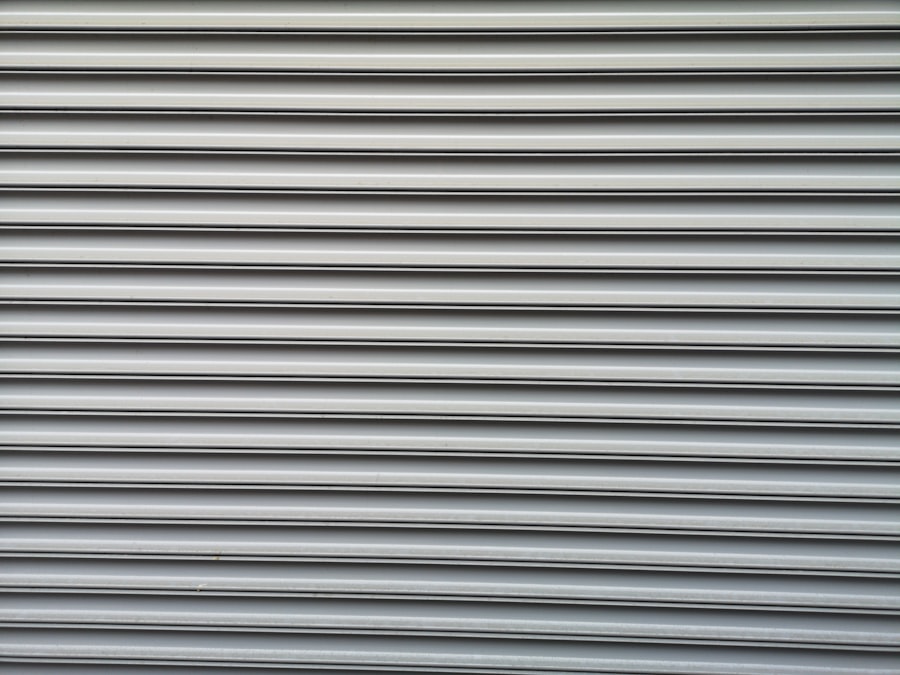
Powder coating is another highly effective finishing technique that involves applying a dry powder to the surface of aluminum. This powder is then cured under heat, resulting in a hard, protective layer that is both durable and visually appealing. One of the key advantages of powder coating is its ability to create a uniform finish without the drips or runs often associated with liquid paints. This method also allows for a wide range of colors and textures, making it an excellent choice for those looking to achieve a specific aesthetic.
In terms of durability, powder coating stands out as one of the most resilient finishes available. It provides excellent resistance to chipping, scratching, fading, and corrosion, making it suitable for both indoor and outdoor applications. Furthermore, powder coating is environmentally friendly since it produces minimal volatile organic compounds (VOCs) during the application process. This makes it an attractive option for those seeking sustainable solutions without compromising on quality or appearance.
Polishing: Enhancing the Appearance of Aluminum
Polishing is a finishing technique that focuses on enhancing the natural luster of aluminum surfaces. This process involves mechanically buffing the metal to achieve a smooth and reflective finish. Polished aluminum is often used in applications where aesthetics are paramount, such as in decorative elements or high-end architectural features. The reflective quality of polished aluminum can create stunning visual effects, especially when combined with strategic lighting.
While polishing enhances appearance, it also requires regular maintenance to keep the surface looking its best. Over time, polished aluminum can tarnish or develop oxidation if not properly cared for. Therefore, it’s essential to implement a cleaning routine that includes gentle cleaning agents and protective coatings to maintain its shine. Despite these maintenance requirements, polished aluminum remains a popular choice for those seeking a sophisticated and elegant look in their designs.
When considering aluminum finishing options for doorways, it’s also beneficial to explore related topics such as window capping, which can enhance the overall aesthetic and functionality of your home. For instance, a recent article discusses the various benefits of window capping replacement in Toronto and the Greater Toronto Area, providing insights that can complement your doorway enhancements. You can read more about it in this informative piece on window capping replacement.
Brushed Finish: A Modern and Sleek Look
| Finishing Option | Description | Durability | Maintenance | Common Uses | Cost Range |
|---|---|---|---|---|---|
| Anodizing | Electrochemical process that thickens the natural oxide layer on aluminum for corrosion resistance and color options. | High | Low – easy to clean, resists scratches and corrosion | Commercial and residential door frames, exterior doorways | Moderate |
| Powder Coating | Dry powder applied electrostatically and cured under heat to form a protective and decorative finish. | Very High | Low – durable and resistant to chipping, fading, and scratching | High-traffic doorways, decorative door frames | Moderate to High |
| Painting | Liquid paint applied by spray or brush, available in many colors and finishes. | Medium | Medium – may require touch-ups over time due to chipping or fading | Interior doorways, custom color requirements | Low to Moderate |
| Mechanical Finishing (Brushing/Polishing) | Physical abrasion to create a smooth, matte, or shiny surface texture. | Medium | Medium – may show fingerprints and require regular cleaning | Architectural doorways, modern design aesthetics | Low |
| Clear Coating | Transparent protective layer applied over anodized or polished aluminum to enhance durability. | High | Low – protects against oxidation and wear | Exterior doorways, high-exposure environments | Moderate |
The brushed finish is characterized by its unique texture created through a series of fine scratches that run in one direction. This technique not only adds depth to the surface but also provides a contemporary aesthetic that appeals to modern design sensibilities. Brushed aluminum is often used in commercial settings as well as residential applications where a sleek and understated look is desired.
One of the significant advantages of brushed finishes is their ability to hide fingerprints and minor scratches better than polished surfaces. This makes them particularly suitable for high-traffic areas or surfaces that are frequently touched. Additionally, brushed aluminum can be easily combined with other finishes or materials, allowing for creative design possibilities. Whether used in doorways or other architectural elements, brushed finishes offer a stylish yet practical solution for enhancing aluminum surfaces.
When considering aluminum finishing options for doorways, it’s essential to explore various techniques that can enhance both aesthetics and durability. A related article that delves deeper into the benefits of aluminum in architectural applications can be found here. This resource provides valuable insights into how aluminum can be utilized effectively in different settings, ensuring that your doorway not only looks great but also stands the test of time.
Custom Color Matching: Personalizing Doorway Finishes
Custom color matching is an increasingly popular option for those looking to personalize their aluminum finishes. This process allows designers and homeowners to select specific colors that align with their overall design vision or branding requirements. Whether it’s matching the hue of a corporate logo or coordinating with existing architectural elements, custom color matching provides flexibility and creativity in design.
The process typically involves using advanced technology to create a precise color formulation that can be applied through various finishing techniques such as powder coating or anodizing. This ensures that the final product not only meets aesthetic expectations but also maintains durability and performance standards. Custom color matching opens up endless possibilities for personalization, making it an ideal choice for unique doorway designs that stand out while still complementing their surroundings.
Clear Coating: Preserving the Natural Look of Aluminum
Clear coating is a finishing option that provides a protective layer over raw or polished aluminum without altering its natural appearance. This technique is particularly beneficial for those who appreciate the inherent beauty of aluminum but want to enhance its durability against environmental factors such as oxidation and corrosion. Clear coatings can be applied using various methods, including spray application or dipping.
One of the primary benefits of clear coating is its ability to preserve the original look of aluminum while providing an additional layer of protection. This makes it an excellent choice for architectural features where maintaining the natural aesthetic is essential. Additionally, clear coatings can enhance the surface’s resistance to scratches and stains, ensuring that the finish remains pristine over time. For those who value both beauty and functionality in their designs, clear coating offers an effective solution.
Textured Finishes: Adding Depth and Visual Interest
Textured finishes are an innovative way to add depth and visual interest to aluminum surfaces. These finishes can range from subtle patterns to more pronounced textures that create tactile experiences as well as visual appeal. Textured aluminum is often used in contemporary designs where unique aesthetics are desired, making it an excellent choice for doorways and other architectural elements.
The benefits of textured finishes extend beyond aesthetics; they can also improve grip and reduce glare on surfaces exposed to sunlight. This makes textured aluminum particularly suitable for outdoor applications where safety and functionality are paramount. Furthermore, textured finishes can be combined with other finishing techniques such as powder coating or anodizing to create even more distinctive looks. By incorporating textured finishes into your designs, you can achieve a modern and dynamic appearance that sets your project apart.
Specialty Finishes: Unique Options for Unique Doorways
For those seeking something truly distinctive, specialty finishes offer unique options that go beyond traditional methods. These finishes can include anything from metallic sheens to iridescent effects that change color depending on the angle of light. Specialty finishes allow designers to push creative boundaries and create one-of-a-kind looks that reflect individual style or brand identity.
The application of specialty finishes often requires specialized techniques and expertise, making them ideal for high-end projects or custom designs. Whether you’re looking to create an eye-catching entranceway or make a bold statement with your architectural features, specialty finishes provide endless possibilities for creativity and innovation. By exploring these unique options, you can transform ordinary aluminum into extraordinary works of art.
Maintenance and Care for Aluminum Finishes
Proper maintenance is crucial for preserving the beauty and longevity of aluminum finishes. Each finishing technique may have specific care requirements; however, some general guidelines apply across the board. Regular cleaning with mild soap and water can help remove dirt and grime without damaging the finish. It’s essential to avoid abrasive cleaners or scrubbing pads that could scratch or dull the surface.
For finishes like polishing or brushed aluminum, periodic reapplication of protective coatings may be necessary to maintain their appearance over time. Additionally, inspecting surfaces regularly for signs of wear or damage allows for timely repairs before issues escalate. By implementing a consistent maintenance routine tailored to your specific finish type, you can ensure that your aluminum surfaces remain vibrant and functional for years to come.
Choosing the Right Aluminum Finishing Option for Your Doorway
Selecting the appropriate aluminum finishing option for your doorway involves considering various factors such as aesthetics, durability, maintenance requirements, and environmental conditions.
Start by assessing your design goals—do you want a sleek modern look or something more traditional?
Understanding your vision will help narrow down your choices.
Next, consider the practical aspects such as exposure to weather elements if your doorway will be outdoors or high-traffic areas where durability is essential. Each finishing technique offers distinct advantages; therefore, weighing these factors against your design preferences will lead you to the best decision. Consulting with professionals who specialize in aluminum finishes can also provide valuable insights tailored to your specific project needs.
In conclusion, understanding the various aluminum finishing options available allows you to make informed decisions that enhance both aesthetics and functionality in your designs. Whether you opt for anodizing’s durability or powder coating’s versatility, each method has unique benefits that cater to different needs and preferences. By carefully considering your options and seeking expert advice when necessary, you can achieve stunning results that elevate your doorway designs while ensuring long-lasting performance.
Get Free Estimate (647) 560-9038
FAQs
What are common aluminum finishing options for doorways?
Common aluminum finishing options for doorways include anodizing, powder coating, painting, and mechanical finishes such as brushing or polishing. Each method enhances durability and aesthetic appeal.
How does anodizing benefit aluminum doorways?
Anodizing increases corrosion resistance, improves surface hardness, and allows for a variety of color finishes. It creates a protective oxide layer that is integral to the aluminum surface.
Is powder coating suitable for aluminum doorways exposed to outdoor conditions?
Yes, powder coating provides a durable, weather-resistant finish that protects aluminum doorways from UV rays, moisture, and corrosion, making it ideal for outdoor applications.
Can aluminum doorways be customized with different colors and textures?
Yes, aluminum finishing options like powder coating and anodizing offer a wide range of colors and textures, allowing customization to match architectural styles and design preferences.
What maintenance is required for finished aluminum doorways?
Finished aluminum doorways generally require minimal maintenance. Regular cleaning with mild soap and water helps preserve the finish, while avoiding abrasive cleaners prevents surface damage.