
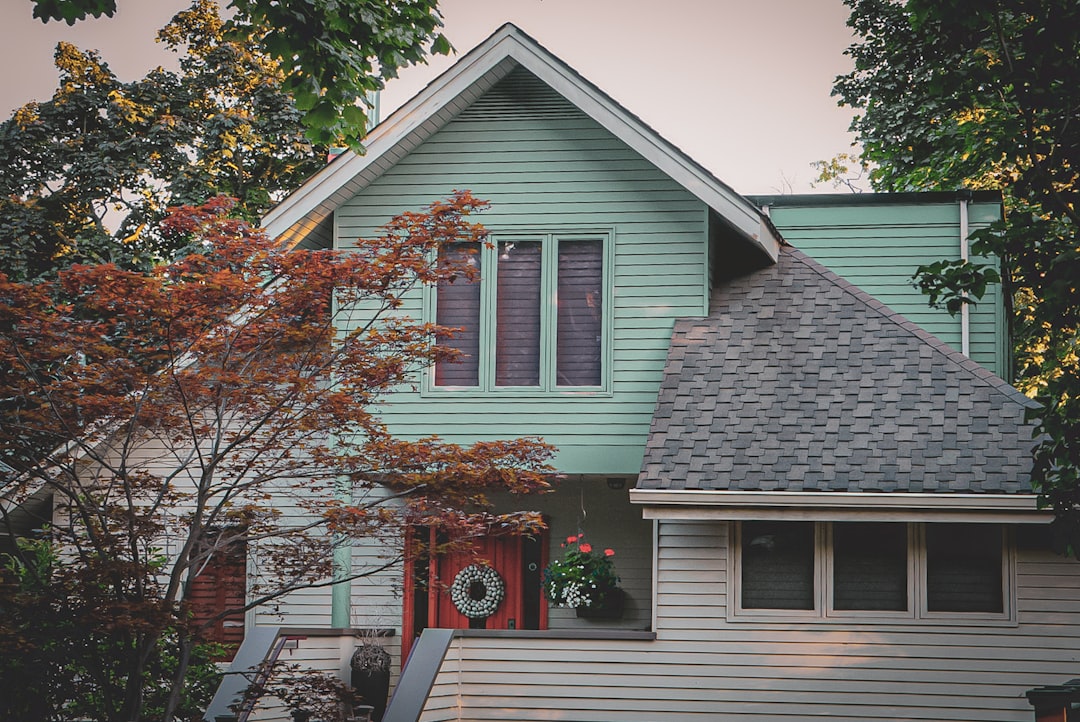
Soffit, fascia, and siding are essential components of a home’s exterior that not only serve functional purposes but also contribute significantly to its aesthetic appeal. Soffit is the material that covers the underside of the roof overhang, providing ventilation to the attic while protecting it from moisture and pests. It is typically made from materials such as vinyl, aluminum, or wood, each offering different benefits in terms of durability and maintenance. Fascia, on the other hand, is the board that runs along the edge of the roofline, serving as a protective barrier against weather elements while also providing a finished look to the roof. It often supports the gutters, making it a critical component in managing water runoff.
Siding is the outer layer of a home’s walls, designed to protect against the elements while enhancing the overall appearance. Available in various materials such as vinyl, wood, fiber cement, and metal, siding plays a crucial role in insulation and energy efficiency. Understanding these components is vital for homeowners looking to improve their property’s exterior. Each element works in harmony to create a cohesive look while ensuring that the home remains protected from environmental factors.
For those interested in enhancing the aesthetic appeal of their home, a related article on the benefits of integrating soffit, fascia, and siding can be found at this link. This article delves into how these elements work together to create a cohesive and stylish exterior, while also providing practical insights on maintenance and durability. To learn more, visit this page for additional resources and expert advice.
Key Takeaways
- Understanding soffit, fascia, and siding: Soffit is the underside of a roof overhang, fascia is the vertical finishing edge connected to the ends of the rafters, and siding is the exterior wall covering.
- Choosing the right materials: Consider durability, maintenance, and aesthetic appeal when selecting materials for soffit, fascia, and siding.
- Coordinating colors and textures: Harmonize the colors and textures of soffit, fascia, and siding to create a cohesive and visually appealing exterior.
- Enhancing curb appeal: Soffit, fascia, and siding can greatly enhance the overall look of a home’s exterior, adding value and curb appeal.
- Incorporating architectural details: Architectural details such as trim, molding, and decorative elements can elevate the look of soffit, fascia, and siding.
Choosing the Right Materials for Soffit, Fascia, and Siding
Selecting the appropriate materials for soffit, fascia, and siding is crucial for both functionality and aesthetics. When considering soffit materials, homeowners should evaluate options based on durability, maintenance requirements, and climate conditions. Vinyl soffit is popular due to its resistance to rot and ease of installation, while aluminum offers a lightweight yet sturdy alternative. Wood soffit can provide a classic look but requires regular maintenance to prevent decay.
Fascia materials should be chosen with an eye toward longevity and compatibility with existing roofing materials. Aluminum fascia is often favored for its resistance to rust and corrosion, while wood fascia can add warmth and character but may necessitate more upkeep. When it comes to siding, homeowners have a plethora of choices. Vinyl siding is low-maintenance and cost-effective, while fiber cement siding offers superior durability and fire resistance. Ultimately, the choice of materials should align with the homeowner’s budget, desired aesthetic, and local climate conditions.
Coordinating Colors and Textures

Color and texture play pivotal roles in enhancing the visual appeal of a home’s exterior. When coordinating colors for soffit, fascia, and siding, it’s essential to consider the overall architectural style of the house. A modern home may benefit from bold colors and sleek textures, while a traditional home might look best with softer hues and classic finishes. Homeowners should also take into account the surrounding environment; colors that blend harmoniously with nature can create a more inviting atmosphere.
Textures can add depth and interest to a home’s exterior. For instance, pairing smooth vinyl siding with textured wood soffit can create a striking contrast that draws the eye. Additionally, using complementary colors for soffit and fascia can help frame the home’s design without overwhelming it. Homeowners should experiment with color swatches and samples to visualize how different combinations will look in various lighting conditions throughout the day.
Enhancing Curb Appeal with Soffit, Fascia, and Siding
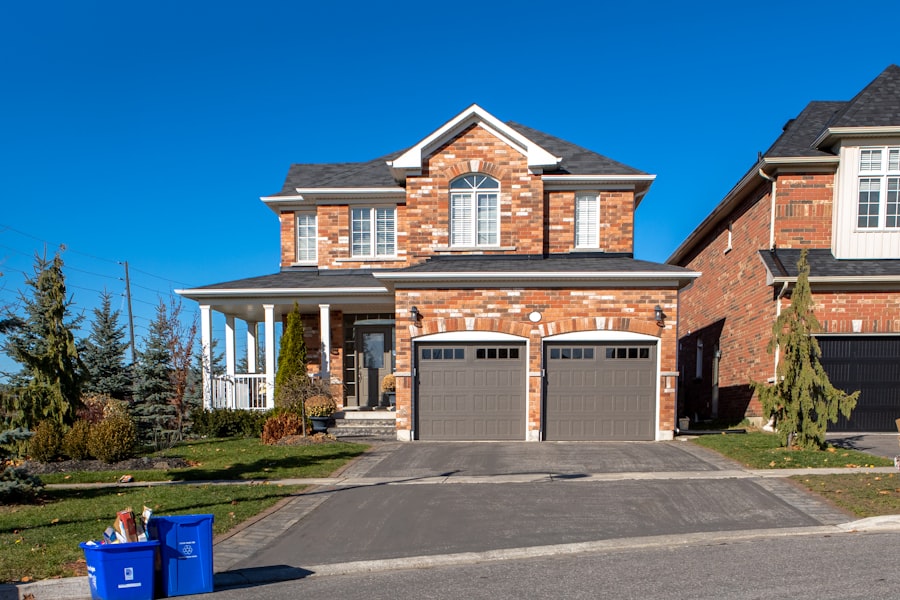
Curb appeal is a critical factor in creating a welcoming atmosphere for any home. Soffit, fascia, and siding are key elements that can significantly enhance this aspect of a property. By selecting high-quality materials and coordinating colors effectively, homeowners can create an inviting first impression. For example, well-maintained siding can make a home appear newer and more attractive, while clean and painted fascia can highlight architectural details.
In addition to aesthetics, these components can also improve functionality. Properly installed soffit can ensure adequate ventilation in the attic, preventing moisture buildup that could lead to mold or structural damage. Similarly, well-chosen siding can provide insulation benefits that contribute to energy efficiency. By focusing on both appearance and function, homeowners can maximize their curb appeal while ensuring their property remains protected from the elements.
In exploring the aesthetic possibilities of home exteriors, the article on enhancing curb appeal provides valuable insights into how the combination of soffit, fascia, and siding can create a cohesive and stylish look for your home. By understanding the interplay of these elements, homeowners can make informed decisions that elevate their property’s overall design.
Incorporating Architectural Details
| Aspect | Benefits |
|---|---|
| Enhanced Curb Appeal | Combining soffit, fascia, and siding can greatly enhance the overall look of a home’s exterior. |
| Improved Ventilation | Soffit provides ventilation to the attic, preventing moisture buildup and mold growth. |
| Protection from Elements | Fascia helps protect the roof and interior of the home from weather damage. |
| Low Maintenance | Quality materials require minimal maintenance, saving time and effort. |
Architectural details can elevate the design of a home’s exterior by adding character and uniqueness. When considering soffit, fascia, and siding, homeowners should think about how these elements can be enhanced with decorative features.
For instance, crown molding on fascia can provide an elegant touch that complements traditional architecture.
Similarly, adding decorative vents or trim to soffit can enhance its visual appeal while maintaining functionality.
Siding can also be customized with architectural details such as board-and-batten styles or shingle patterns that reflect regional influences or personal preferences. These details not only contribute to the overall aesthetic but also help define the home’s style. By thoughtfully incorporating architectural elements into soffit, fascia, and siding choices, homeowners can create a distinctive look that sets their property apart from others in the neighborhood.
When considering the aesthetic appeal of your home, combining soffit, fascia, and siding can create a cohesive and stylish look. For those interested in enhancing their home’s exterior, it’s also important to pay attention to other elements like eavestrough installation, which plays a crucial role in protecting your property from water damage. You can learn more about this essential aspect of home maintenance in a related article on eavestrough installation found here. By integrating these features thoughtfully, you can achieve both functionality and beauty in your home’s design.
Creating a Cohesive Look with Soffit, Fascia, and Siding
Achieving a cohesive look across soffit, fascia, and siding is essential for creating a polished exterior appearance. Homeowners should aim for harmony in color schemes and materials to ensure that each element complements the others rather than competing for attention. For example, if a homeowner chooses a bold color for their siding, opting for neutral tones in soffit and fascia can help balance the overall look.
Additionally, consistency in texture can enhance cohesion. If smooth vinyl siding is selected, pairing it with similarly smooth soffit and fascia can create a streamlined appearance. Conversely, mixing textures can work if done thoughtfully; for instance, combining rough-hewn wood siding with sleek aluminum fascia can create an interesting contrast while still maintaining an overall sense of unity. The key is to ensure that all elements work together harmoniously to create an inviting and aesthetically pleasing exterior.
Maintenance and Care for Soffit, Fascia, and Siding
Regular maintenance is crucial for preserving the integrity and appearance of soffit, fascia, and siding. Homeowners should establish a routine inspection schedule to identify any signs of wear or damage early on. For vinyl siding, cleaning with soap and water every few years can help prevent mold growth and maintain its vibrant color. Wood siding may require more frequent inspections for rot or insect damage; applying protective stains or sealants can extend its lifespan.
Fascia boards should be checked for signs of water damage or warping since they play a vital role in supporting gutters. Keeping gutters clean and free of debris will help prevent water from pooling around fascia boards. Soffits should also be inspected for any signs of pest infestations or moisture buildup; ensuring proper ventilation will help mitigate these issues. By prioritizing maintenance tasks, homeowners can protect their investment in these essential exterior components.
Energy Efficiency and Insulation Benefits
Soffit, fascia, and siding play significant roles in enhancing a home’s energy efficiency. Properly installed siding acts as an additional layer of insulation that helps regulate indoor temperatures by reducing heat loss during winter months and keeping homes cooler in summer. This not only contributes to comfort but also leads to lower energy bills over time.
Soffits are crucial for ventilation in attics; adequate airflow helps prevent heat buildup that can strain air conditioning systems during hot months. Additionally, insulated soffits can further enhance energy efficiency by minimizing heat transfer between the attic space and living areas below. Homeowners should consider energy-efficient materials when selecting soffit and siding options to maximize these benefits while contributing to environmental sustainability.
Working with a Professional Contractor
Engaging a professional contractor for soffit, fascia, and siding installation is often beneficial for homeowners seeking quality results. Experienced contractors possess the knowledge necessary to recommend suitable materials based on local climate conditions and architectural styles. They also understand building codes and regulations that must be adhered to during installation.
Moreover, professional contractors have access to specialized tools and equipment that ensure precise installation. This expertise minimizes the risk of errors that could lead to costly repairs down the line. Homeowners should take time to research potential contractors by checking references and reading reviews before making a decision. A well-chosen contractor will not only enhance the quality of work but also provide peace of mind throughout the project.
Budgeting and Cost Considerations
Budgeting for soffit, fascia, and siding projects requires careful planning to ensure that homeowners achieve their desired results without overspending. Costs can vary significantly based on material choices; for instance, vinyl siding tends to be more affordable than fiber cement or wood options.
Homeowners should also factor in labor costs when hiring professionals for installation.
It’s wise to obtain multiple quotes from contractors to compare pricing accurately while considering their experience level and reputation. Additionally, homeowners should account for potential future maintenance costs when selecting materials; investing in higher-quality options may lead to lower long-term expenses due to reduced upkeep needs. By establishing a clear budget upfront and exploring various options within that framework, homeowners can make informed decisions that align with their financial goals.
Tips for DIY Installation and Upkeep
For those inclined toward DIY projects, installing soffit, fascia, and siding can be rewarding but requires careful planning and execution. Before starting any project, homeowners should familiarize themselves with local building codes and regulations regarding exterior renovations. Proper measurements are crucial; inaccurate cuts can lead to wasted materials or unsightly gaps.
When selecting materials for DIY projects, consider ease of installation alongside aesthetics; some materials may require specialized tools or skills that could complicate the process. Additionally, investing time in learning about proper installation techniques through online resources or workshops can significantly improve results.
Regular upkeep is essential even after successful installation; homeowners should establish a maintenance schedule that includes cleaning surfaces regularly and inspecting for signs of wear or damage. By staying proactive about maintenance tasks like painting or sealing wood components as needed, DIY enthusiasts can ensure their efforts yield lasting results while enhancing their home’s exterior appeal.
In conclusion, understanding soffit, fascia, and siding is essential for any homeowner looking to enhance their property’s exterior appeal while ensuring functionality and energy efficiency. By carefully selecting materials based on durability and aesthetics while coordinating colors effectively, homeowners can create a cohesive look that elevates curb appeal significantly. Whether working with professionals or taking on DIY projects themselves, prioritizing maintenance will ensure these components remain in excellent condition for years to come—ultimately protecting one of life’s most significant investments: homeownership.
Get Free Estimate (647) 560-9038
FAQs
What is soffit, fascia, and siding?
Soffit is the material that covers the underside of the roof overhang, fascia is the trim board that runs along the roofline, and siding is the material that covers the exterior walls of a building.
Why is it important to combine soffit, fascia, and siding for style?
Combining soffit, fascia, and siding helps create a cohesive and visually appealing exterior for a building. It also helps to protect the roof and walls from weather damage.
What are some popular materials for soffit, fascia, and siding?
Popular materials for soffit, fascia, and siding include vinyl, aluminum, wood, and fiber cement. Each material has its own advantages and can be chosen based on the specific needs and style preferences.
How can I choose the right combination of soffit, fascia, and siding for my home?
Consider the architectural style of your home, the climate in your area, and your personal preferences when choosing the combination of soffit, fascia, and siding. It’s also helpful to consult with a professional for advice.
Are there any maintenance tips for soffit, fascia, and siding?
Regular cleaning and inspection of soffit, fascia, and siding can help maintain their appearance and functionality. It’s important to address any damage or wear promptly to prevent further issues.