
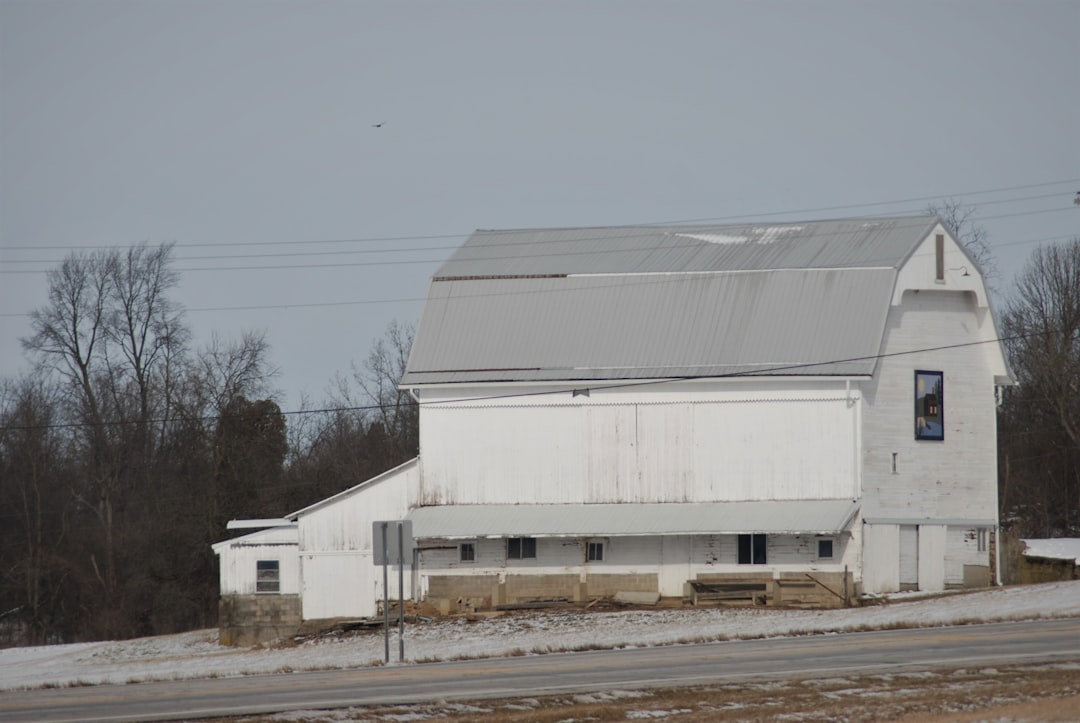
Fascia is a critical component of home construction, often overlooked yet essential for maintaining the integrity and aesthetics of a building. It refers to the horizontal board that runs along the edge of the roofline, serving as a protective barrier between the roof and the exterior walls. Typically made from wood, vinyl, or aluminum, fascia plays a vital role in safeguarding the home from various environmental elements.
Its importance extends beyond mere aesthetics; it acts as a first line of defense against moisture infiltration, pests, and other potential threats. The significance of fascia in home protection cannot be overstated. It not only enhances the visual appeal of a house but also contributes to its structural stability.
By providing a finished look to the roofline, fascia helps to prevent water from seeping into the underlying structures, which can lead to mold growth and wood rot. Additionally, well-maintained fascia can improve energy efficiency by aiding in insulation and ventilation, ultimately leading to lower utility bills. Thus, understanding fascia’s role is crucial for homeowners who wish to protect their investment and ensure the longevity of their property.
Key Takeaways
- Fascia is a crucial component in home construction that protects the roof and walls from weather damage and pests.
- It serves as a weatherproofing and insulation barrier, enhancing the home’s energy efficiency.
- Proper maintenance and timely repair of fascia prevent structural damage and pest intrusion.
- Choosing durable materials and integrating fascia with other protection systems improves overall home safety.
- Advances in fascia technology are focusing on increased durability and enhanced protective features for future homes.
Understanding the Structure and Function of Fascia in Home Construction
The structure of fascia is relatively straightforward, yet its function is multifaceted. Typically installed at the edge of the roof, fascia boards are designed to support the lower edge of the roof and provide a surface for attaching gutters. This positioning is crucial because it allows for effective water drainage away from the home’s foundation.
Fascia boards are usually 1×6 or 1×8 inches in size, although dimensions can vary based on architectural design and local building codes. In terms of function, fascia serves several purposes beyond just supporting gutters. It acts as a barrier against wind-driven rain and snow, preventing moisture from entering the attic or wall cavities.
Furthermore, fascia helps to create a seamless transition between the roof and walls, enhancing the overall aesthetic appeal of the home. This structural element also plays a role in ventilation; when properly installed, it can facilitate airflow into the attic space, which is essential for regulating temperature and preventing heat buildup during hot months.
The Role of Fascia in Weatherproofing and Insulation
Weatherproofing is one of the primary roles of fascia in home construction. By effectively sealing the edges of the roof, fascia prevents water from infiltrating vulnerable areas that could lead to significant damage over time. This protective barrier is particularly important in regions prone to heavy rainfall or snow accumulation.
When fascia is compromised due to rot or damage, it can create openings that allow moisture to penetrate, leading to costly repairs and potential health hazards from mold growth. In addition to weatherproofing, fascia contributes to insulation efforts within a home. A well-installed fascia board can help maintain consistent temperatures by reducing drafts and heat loss.
This is especially important in attics where temperature regulation is crucial for energy efficiency. By minimizing air leaks, fascia aids in keeping heating and cooling costs down, making it an integral part of a home’s overall insulation strategy.
Fascia as a Protective Barrier Against Pests and Intruders
Fascia also serves as a protective barrier against pests and intruders. Rodents, insects, and other unwanted critters often seek entry points into homes through gaps or openings in the exterior structure. A well-maintained fascia can deter these pests by sealing off potential entry points and creating a physical barrier that is difficult for them to breach.
This is particularly important for homeowners who live in areas with high pest activity. Moreover, fascia can help prevent larger intruders, such as birds or raccoons, from nesting in eaves or attics. By ensuring that fascia boards are intact and properly installed, homeowners can significantly reduce the risk of wildlife intrusion, which can lead to further complications such as property damage or health risks associated with animal droppings.
Maintaining the Integrity of Fascia for Long-Term Home Protection
To ensure long-term home protection, regular maintenance of fascia is crucial. Over time, exposure to weather elements can lead to deterioration, including rot, warping, or paint peeling. Homeowners should conduct periodic inspections to identify any signs of damage early on.
This proactive approach can save significant costs associated with extensive repairs or replacements down the line. Maintenance tasks may include cleaning gutters to prevent water overflow that could damage fascia boards, repainting or sealing wood fascia to protect against moisture, and replacing any damaged sections promptly. Additionally, trimming back overhanging branches can prevent physical damage from falling debris and reduce moisture retention on fascia boards.
By prioritizing these maintenance activities, homeowners can extend the lifespan of their fascia and enhance their home’s overall protection.
Choosing the Right Materials for Fascia Installation and Maintenance
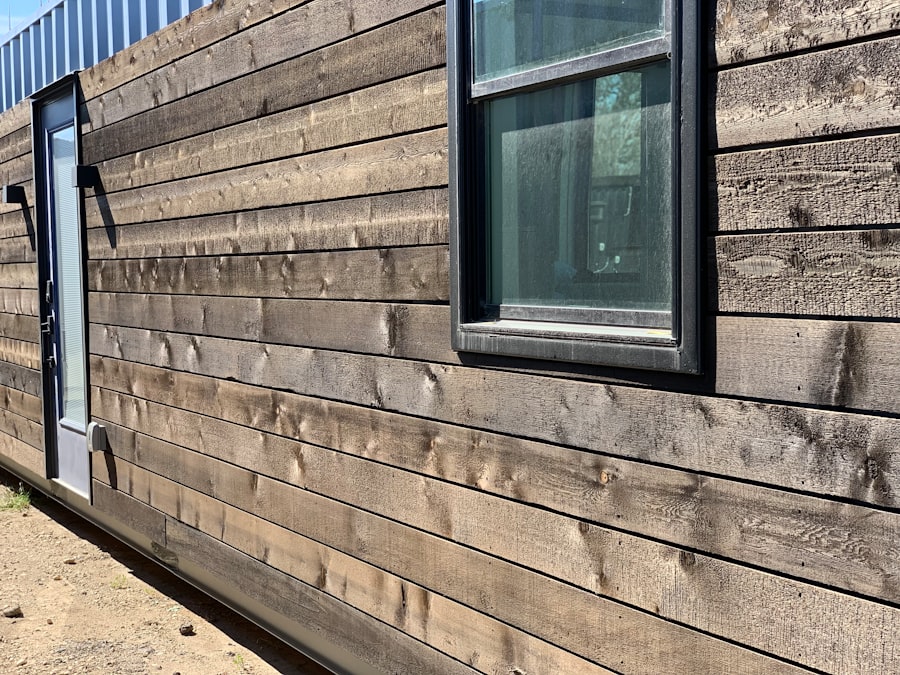
Selecting appropriate materials for fascia installation is vital for ensuring durability and effectiveness in protecting a home. Common materials include wood, vinyl, aluminum, and fiber cement. Each material has its advantages and disadvantages; for instance, while wood offers a classic aesthetic appeal, it requires regular maintenance to prevent rot and insect damage.
On the other hand, vinyl and aluminum are low-maintenance options that resist weathering but may lack the same visual warmth as wood. When choosing materials for fascia installation, homeowners should consider factors such as climate conditions, budget constraints, and personal aesthetic preferences. For instance, in areas with high humidity or frequent rainfall, opting for materials that resist moisture damage is essential.
Additionally, investing in high-quality materials may incur higher upfront costs but can lead to long-term savings by reducing maintenance needs and extending the lifespan of the fascia.
Integrating Fascia with Other Home Protection Systems
Fascia does not operate in isolation; it works best when integrated with other home protection systems. For example, combining well-installed fascia with an effective gutter system ensures that water is directed away from the home’s foundation efficiently. This synergy helps prevent water damage not only to the fascia itself but also to other critical areas such as siding and basements.
Moreover, integrating fascia with insulation systems can enhance energy efficiency significantly. Properly installed insulation in conjunction with well-maintained fascia can create a more airtight seal around the home, reducing energy loss during heating or cooling seasons. Homeowners should consider how their fascia interacts with other protective elements like roofing materials and siding to create a comprehensive defense against environmental threats.
Signs of Fascia Damage and the Impact on Home Protection
Recognizing signs of fascia damage early is crucial for maintaining home protection. Common indicators include visible rot or discoloration on wooden fascia boards, peeling paint or caulking, and sagging or warped sections that may indicate structural issues. Homeowners should also be vigilant for signs of pest activity near fascia areas, such as droppings or nesting materials.
The impact of damaged fascia on home protection can be significant. Compromised fascia can lead to water infiltration, which may result in mold growth and structural damage over time. Additionally, if pests gain entry through damaged fascia boards, they can cause further destruction within walls or attics.
Therefore, addressing any signs of damage promptly is essential for preserving both the integrity of the home and its occupants’ health.
DIY Fascia Maintenance Tips for Homeowners
Homeowners can take several DIY steps to maintain their fascia effectively without needing professional assistance. Regular inspections should be conducted at least twice a year—preferably in spring and fall—to check for signs of wear or damage. During these inspections, homeowners should look for peeling paint, cracks in caulking, or any signs of rot.
Cleaning gutters regularly is another essential maintenance task that homeowners can perform themselves. Clogged gutters can lead to water overflow that damages fascia boards over time. Additionally, applying a protective sealant or paint every few years can help preserve wooden fascia from moisture damage while enhancing its appearance.
By following these simple DIY tips, homeowners can prolong the life of their fascia and protect their homes more effectively.
Hiring a Professional for Fascia Inspection and Repair
While many maintenance tasks can be performed by homeowners themselves, hiring a professional for fascia inspection and repair may be necessary in certain situations. Professionals have the expertise to identify underlying issues that may not be immediately visible during casual inspections. They can also provide recommendations on repairs or replacements based on their assessment.
When selecting a contractor for fascia work, homeowners should look for licensed professionals with experience in roofing and siding projects. Checking references and reading reviews can help ensure that they choose a reputable contractor who will deliver quality workmanship. Investing in professional services may incur additional costs but can ultimately save homeowners money by preventing more extensive repairs down the line.
Future Trends in Fascia Technology for Enhanced Home Protection
As technology continues to evolve within the construction industry, new trends are emerging that promise enhanced protection through improved fascia systems. Innovations such as composite materials that combine durability with aesthetic appeal are gaining popularity among homeowners looking for low-maintenance options that resist weathering and pests effectively. Additionally, advancements in smart home technology are beginning to influence how we approach home protection systems overall.
For instance, integrating sensors into fascia systems could provide real-time monitoring for moisture levels or pest activity, allowing homeowners to address issues before they escalate into significant problems. As these trends develop further, they will undoubtedly shape how we think about fascia’s role in home protection moving forward. In conclusion, understanding the importance of fascia in home protection is essential for every homeowner looking to safeguard their investment effectively.
From its structural role to its contributions toward weatherproofing and pest prevention, maintaining this critical component is vital for long-term home integrity. By staying informed about materials, maintenance practices, and emerging technologies related to fascia systems, homeowners can ensure their properties remain protected against environmental threats while enhancing their overall aesthetic appeal.
In exploring the significance of fascia in home protection, it’s also worth considering how exterior elements contribute to overall home durability. For instance, the article on aluminum siding at Ards Aluminium highlights the benefits of using aluminum siding as a protective layer for homes, complementing the role of fascia in safeguarding against environmental elements.
Get Free Estimate (647) 560-9038
FAQs
What is fascia?
Fascia is a band or sheet of connective tissue, primarily collagen, that lies beneath the skin and surrounds muscles, bones, nerves, and blood vessels. It provides structural support and helps maintain the body’s shape.
How does fascia contribute to home protection?
Fascia contributes to home protection by acting as a barrier and support system within the body. It helps protect muscles and organs from injury by distributing mechanical stress and maintaining structural integrity.
Can fascia affect the body’s immune response?
Yes, fascia contains immune cells and plays a role in the body’s defense mechanisms. It can help detect and respond to infections or injuries, contributing to overall immune protection.
Is fascia involved in injury prevention?
Fascia helps prevent injuries by providing stability and flexibility to muscles and joints. It absorbs shocks and distributes forces during movement, reducing the risk of strains and tears.
How does fascia impact healing after an injury?
Fascia plays a crucial role in the healing process by supporting tissue repair and regeneration. It facilitates the movement of cells and nutrients necessary for recovery and helps restore normal function.
Can fascia become damaged or dysfunctional?
Yes, fascia can become tight, inflamed, or scarred due to injury, overuse, or poor posture. This dysfunction can lead to pain, restricted movement, and decreased protection for underlying tissues.
Are there ways to maintain healthy fascia?
Maintaining healthy fascia involves regular physical activity, proper hydration, stretching, and techniques like massage or myofascial release to keep the tissue flexible and functional.
Does fascia have a role in protecting the body from external threats?
While fascia primarily supports internal structures, its integrity helps maintain the body’s overall resilience, indirectly contributing to protection against external physical stresses and injuries.